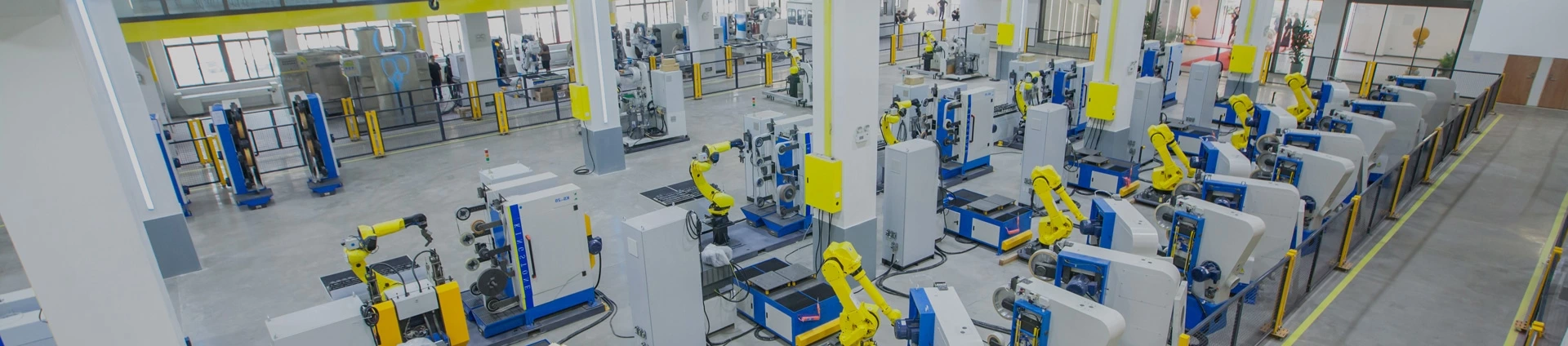
En el proceso de pulido, la precisión del robot no se puede lograr manualmente, una presión de pulido constante y una curva de pulido consistente. Los equipos robóticos de pulido y pulido pueden funcionar de forma continua durante mucho tiempo, acortar el ciclo de producción y la eficiencia de producción es de 3 a 30 veces mayor que la del trabajo manual.
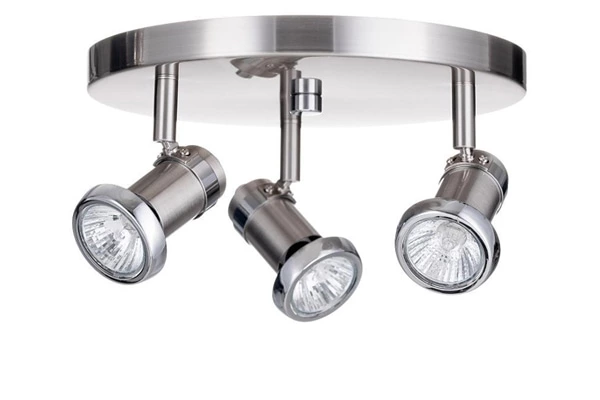
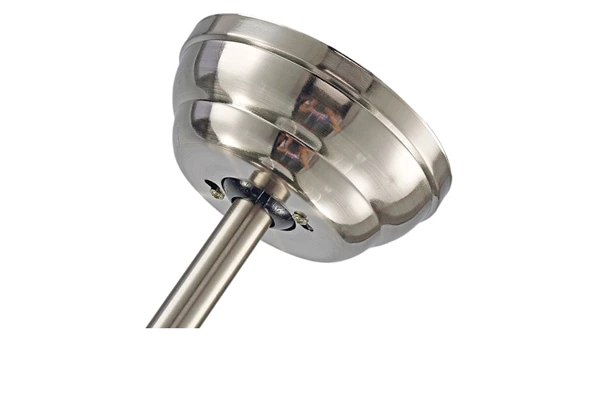
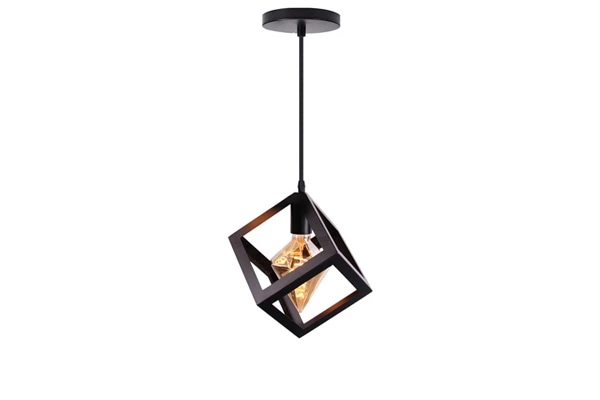
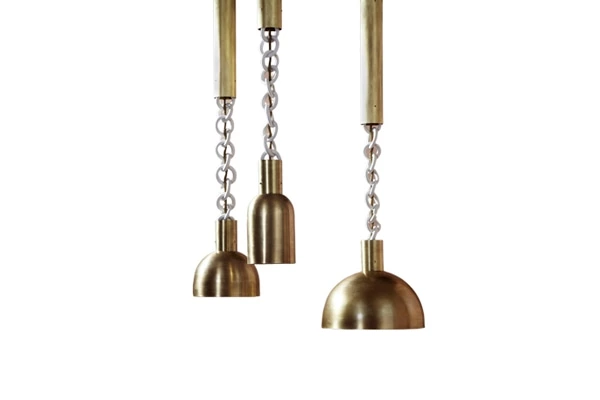
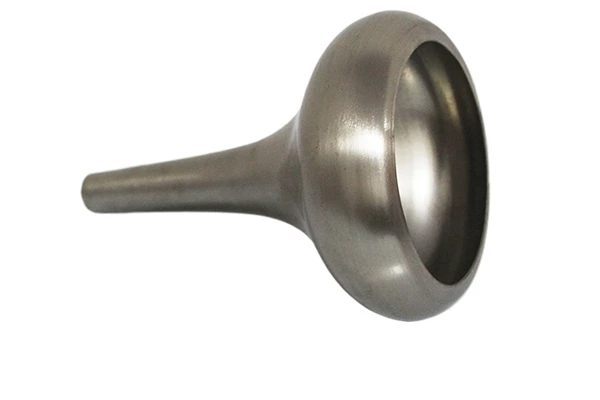

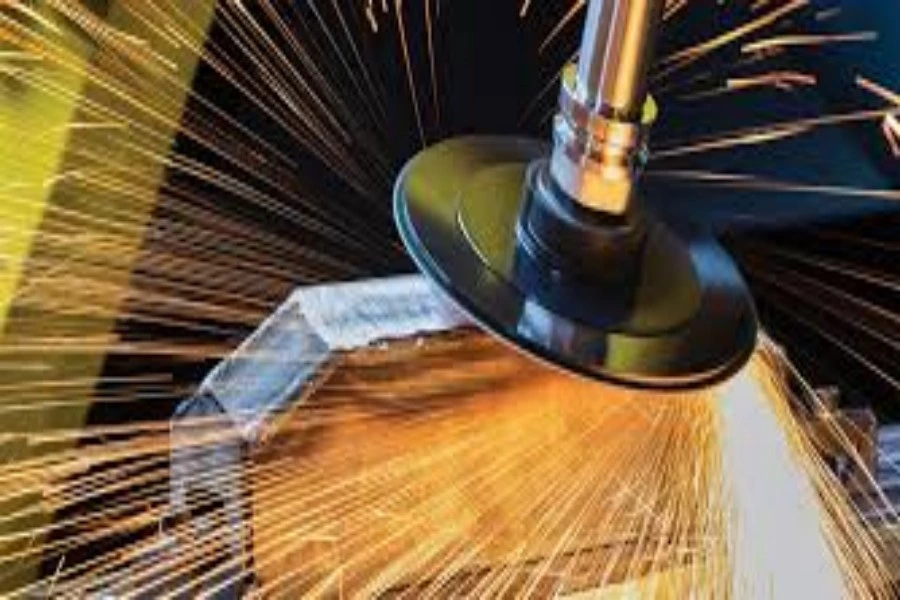
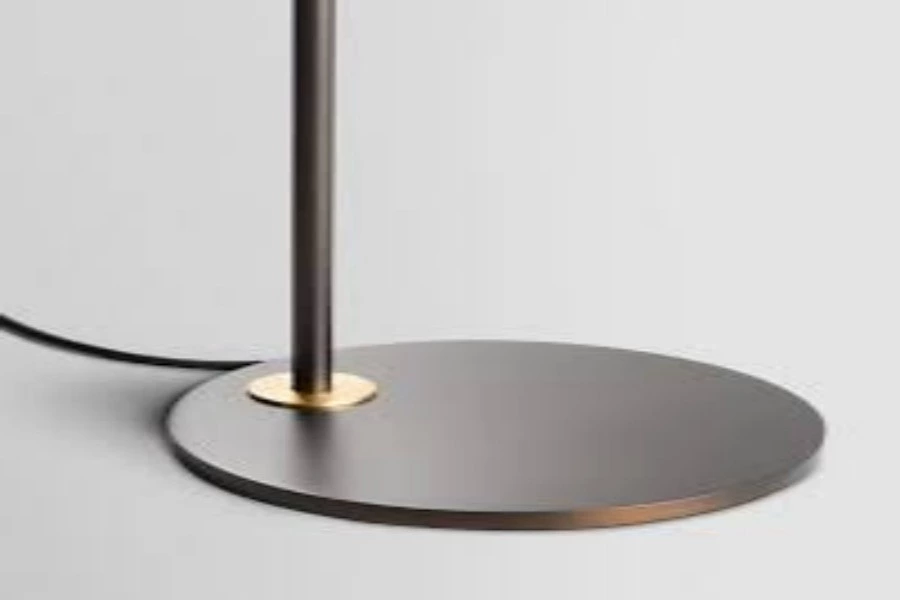
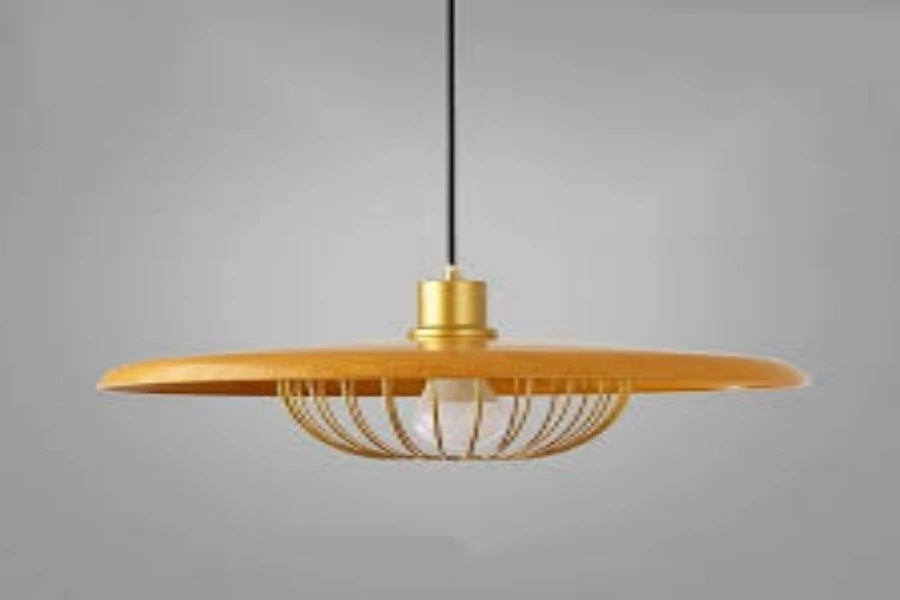
El hardware de las lámparas combina estética y funcionalidad en iluminación doméstica y comercial. Desde bases cepilladas hasta cortinas pulidas, el acabado de la superficie da forma a la durabilidad y el atractivo.
Kingstone Robotics ofrece sistemas robóticos de esmerilado, pulido y pulido para componentes de lámparas, manejando curvas y materiales complejos con precisión, consistencia y mano de obra reducida.
La apariencia de una lámpara es una de sus características de venta más importantes. Los consumidores esperan superficies refinadas, texturas sin huellas dactilares y acabados uniformes, independientemente de si el accesorio es cromado, mate, latón o con recubrimiento en polvo. Lograr esto de manera consistente requiere un acabado de alta precisión en cada etapa. La automatización garantiza eficiencia, control y la capacidad de satisfacer las demandas de la estética de la iluminación moderna.
El pulido mejora el brillo, la claridad y la suavidad de la superficie de los componentes de la lámpara. Se utiliza para crear texturas reflectantes o cepilladas en partes visibles, como focos de techo, bases de lámparas de pie y carcasas colgantes. Los acabados pulidos también mejoran la adhesión del recubrimiento y la resistencia a la corrosión.
El esmerilado es un proceso de tratamiento de superficies que elimina costuras de fundición, imperfecciones o inconsistencias en la textura de la superficie. En la fabricación de lámparas, se utiliza comúnmente para definir geometrías de accesorios, preparar superficies para el pulido final o garantizar la consistencia en las partes curvas o planas de los herrajes de las lámparas.
El desbarbado elimina bordes afilados, restos de rebabas o microprotuberancias de piezas estampadas o fundidas. Estas rebabas pueden afectar la adherencia de la pintura, la seguridad y el atractivo visual. En los componentes de iluminación, especialmente aquellos manipulados o ensamblados por los usuarios finales, el desbarbado garantiza una superficie lisa y segura.
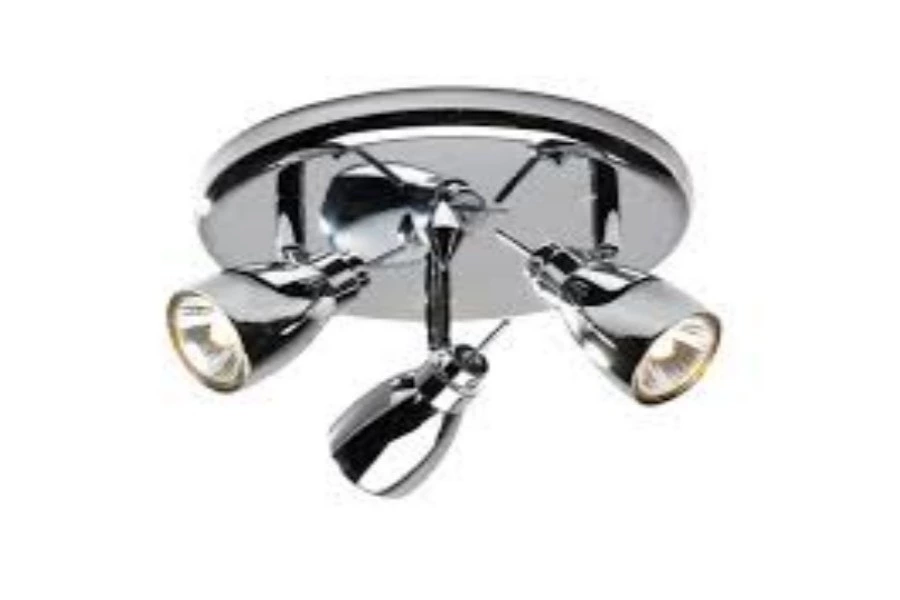
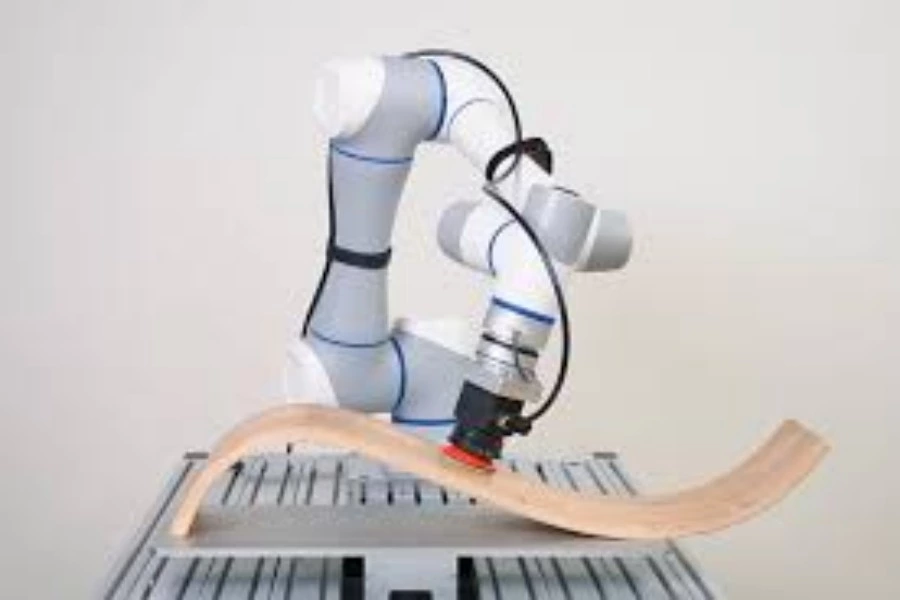
Crea acabados uniformes con calidad de exposición en cuerpos, bases y carcasas de lámparas. Admite solicitudes de texturas brillantes, satinadas o personalizadas con resultados repetibles.
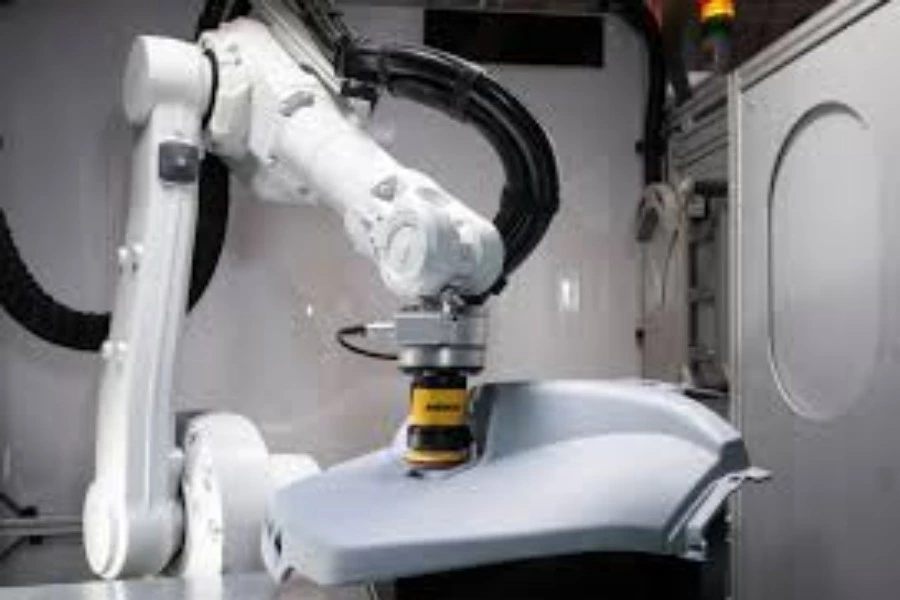
Da forma a los accesorios antes del enchapado o recubrimiento en polvo, eliminando marcas de superficie o irregularidades causadas por procesos de fundición o doblado.
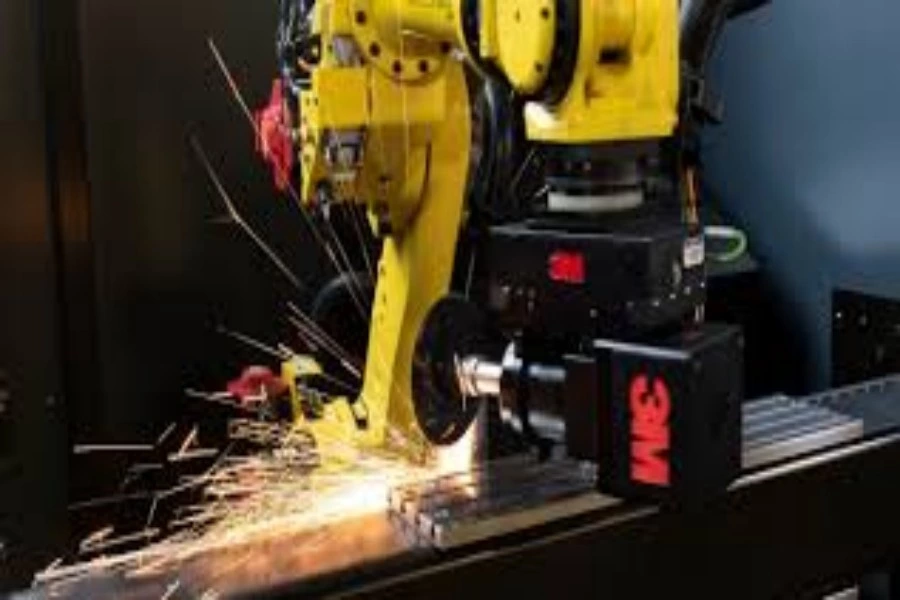
Elimina los bordes afilados y garantiza la seguridad del usuario final, especialmente en componentes expuestos como pantallas colgantes, collares de lámparas o anillos de focos.
Los procesos manuales de acabado de superficies requieren mucha mano de obra, mucho tiempo y son propensos a inconsistencias. La automatización aborda estos desafíos proporcionando:
La consistencia visual es clave en el hardware de iluminación, especialmente para colecciones o sets de venta al por menor. Los sistemas robóticos aplican la misma presión, recorrido y ciclo de pulido en todos los lotes, logrando brillo, textura y geometría uniformes.
Valioso para:
Las piezas de las lámparas suelen presentar efectos superficiales como metal cepillado, vetas mate o alto brillo. Los sistemas robóticos pueden cambiar herramientas o rutas para lograr múltiples tipos de acabado sin cambiar operadores o equipos.
Aplicable a:
El pulido y esmerilado manual implican ruido, polvo y vibración. Los sistemas robóticos cerrados de Kingstone reducen la tensión y la exposición del operador al tiempo que aumentan la productividad.
Ideal para:
La automatización permite el procesamiento simultáneo de múltiples piezas y garantiza un seguimiento perfecto de la ruta en cada ciclo. Los robots se adaptan a la orientación de las piezas y a la respuesta del material en tiempo real.
Perfecto para:
Ya sea que sus componentes estén recubiertos de polvo, lacados, anodizados o pintados, un preacabado limpio y uniforme es esencial. El pulido robótico mejora la calidad posterior y reduce las fallas del recubrimiento o el retrabajo.
Soporta:
El hardware de las lámparas a menudo incluye cúpulas curvas, soportes complejos y conjuntos de materiales mixtos. Los sistemas de acabado automatizados equipados con robots multieje y herramientas adaptables pueden procesar con precisión formas irregulares y áreas empotradas que son difíciles o inconsistentes de alcanzar manualmente, garantizando un acabado impecable independientemente de la complejidad de la pieza.
Adecuado para:
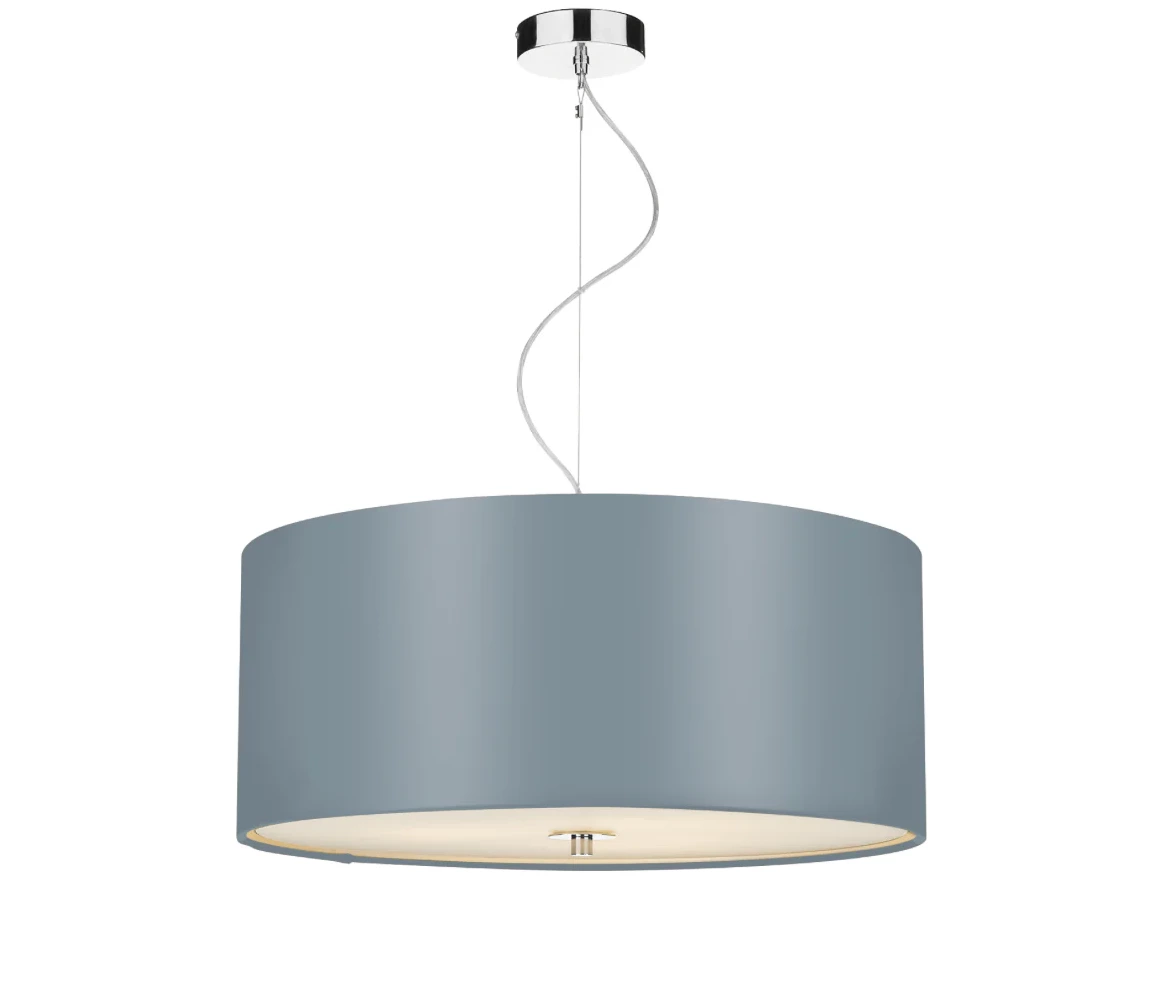
• Pantallas de lámpara colgante con contornos internos y externos
• Brazos y accesorios ornamentales con curvas o bordes profundos
• Diseños de iluminación personalizados o de inspiración artesanal que requieren detalles de precisión
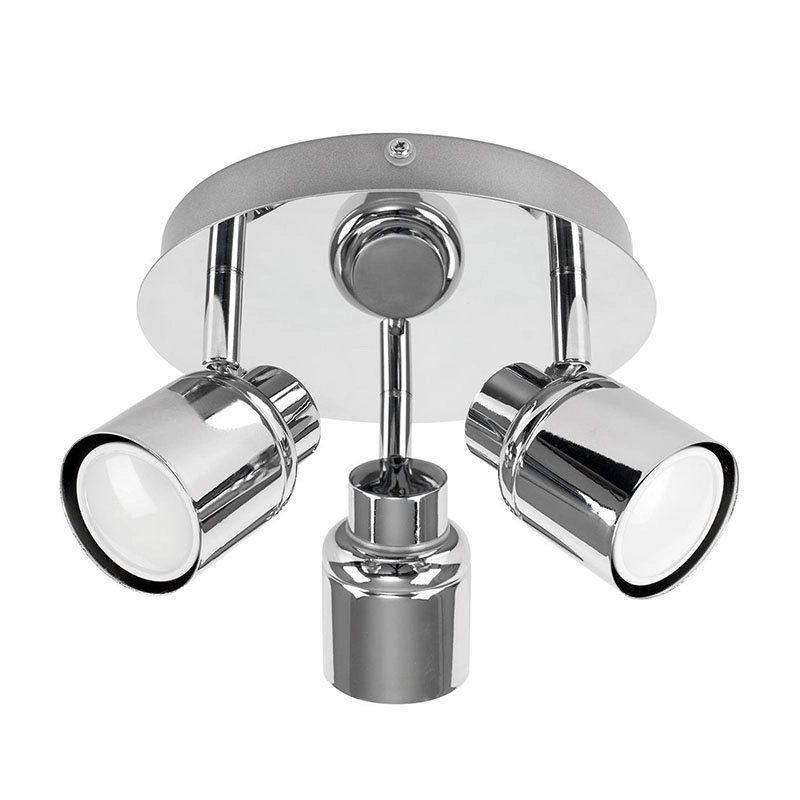
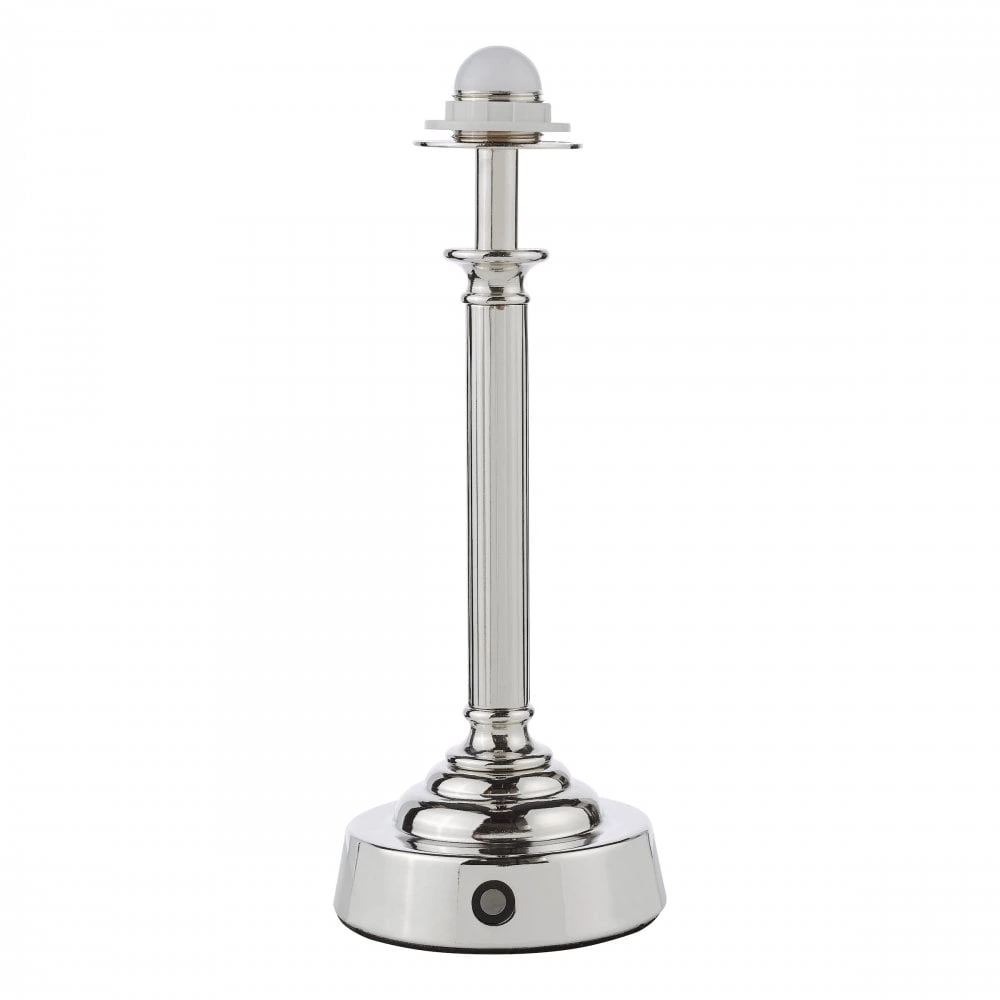
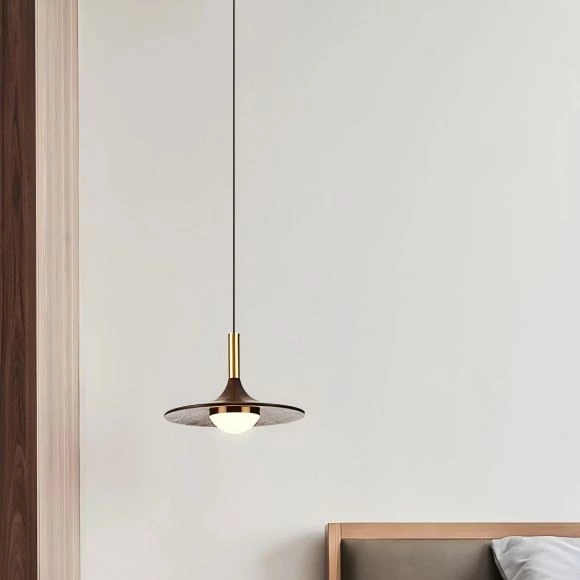
Respaldado por décadas de experiencia y asociaciones con marcas líderes a nivel mundial.

 Inglés