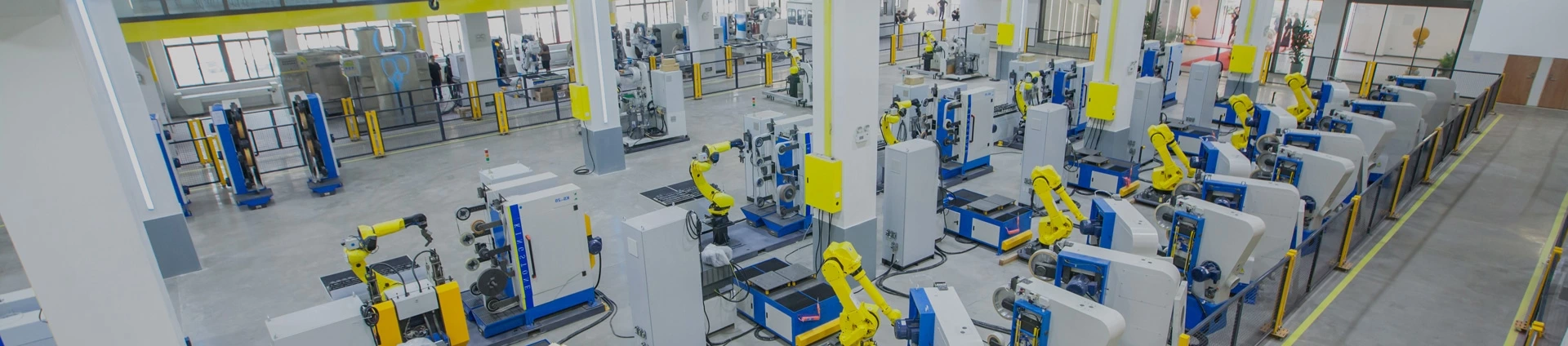
En la fabricación tradicional, especialmente en la producción de herrajes para baño, el pulido es un proceso fundamental, pero supone el 30% del coste total.
Debido al aumento de los costes laborales y los efectos nocivos del polvo generado por el pulido manual en la salud de los trabajadores, contratar mano de obra para la fabricación de artículos sanitarios se ha convertido en un gran desafío para muchas empresas.
Muchos fabricantes de artículos sanitarios han optado por actualizar reemplazando el pulido manual con equipos de pulido robóticos inteligentes, como sistemas de pulido robóticos para grifos, para eliminar el trabajo manual en este proceso.
Además, los productos pulidos por robots exhiben mayor calidad, coloración más uniforme y superficies más lisas, lo que los hace más estables en ambientes húmedos y aumenta significativamente la capacidad de producción.
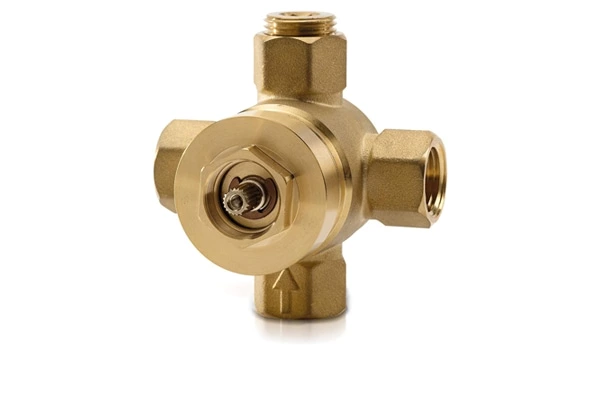
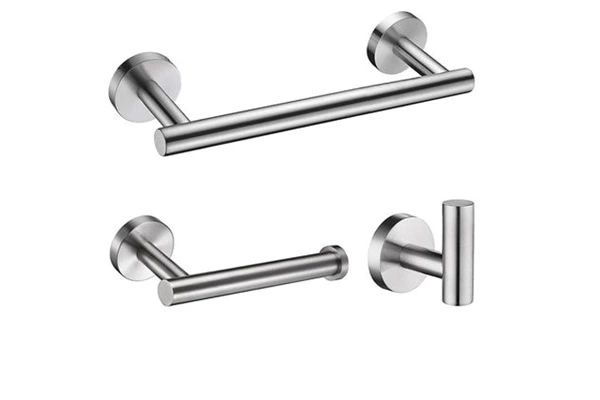
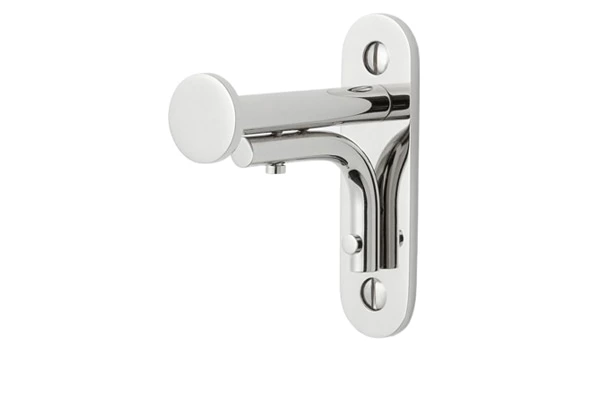
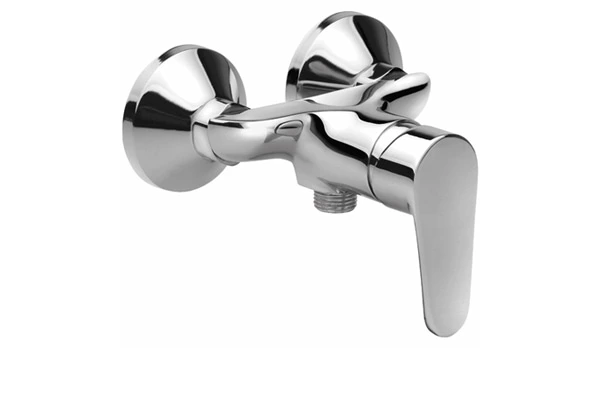
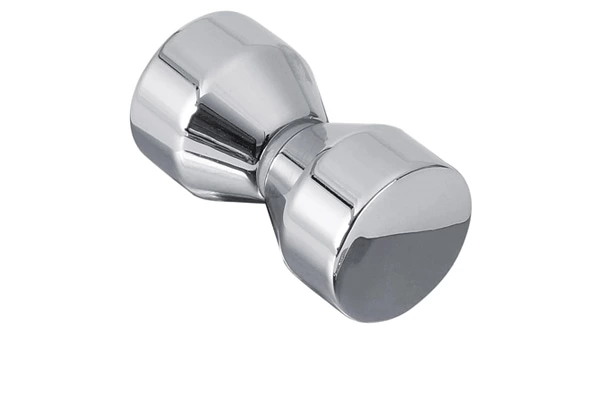

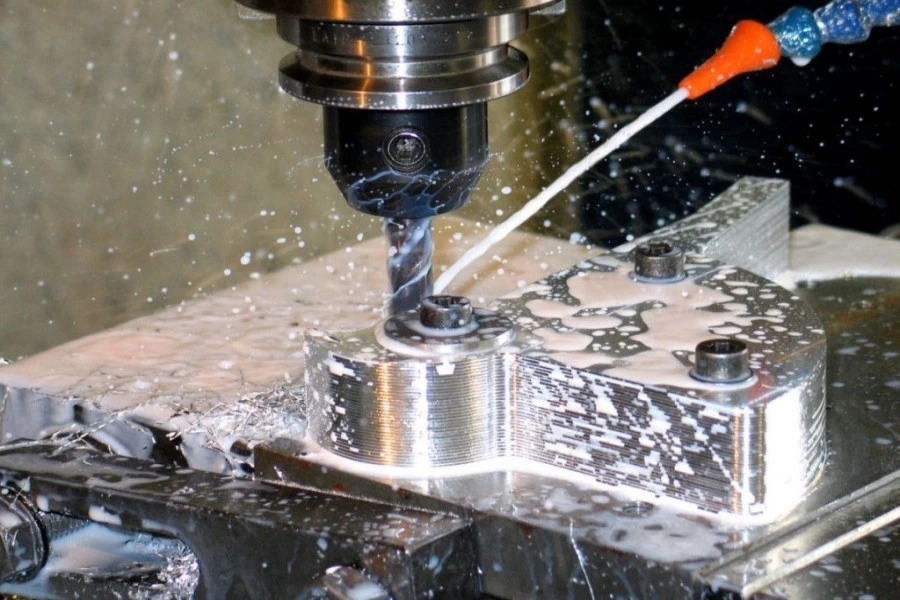
Los accesorios de baño exigen más que una utilidad básica: deben combinar elegancia visual, resistencia a la corrosión y mano de obra precisa. Desde válvulas de latón pulido hasta toalleros satinados, el acabado de la superficie define el valor del producto.
Kingstone Robotics ofrece sistemas robóticos especializados de pulido, esmerilado y desbarbado para artículos de baño. Nuestras soluciones garantizan una calidad constante, alta eficiencia y mano de obra reducida para componentes de latón y acero inoxidable.
Los procesos de acabado son fundamentales en el equipamiento del baño, donde se debe optimizar la estética, la higiene y la comodidad táctil. Estos componentes están constantemente expuestos a la humedad, productos químicos y el contacto humano, lo que exige una calidad de superficie perfecta y un ajuste preciso del ensamblaje.
La automatización reemplaza el acabado manual inconsistente con procesos limpios y repetibles adecuados para todo, desde grifos premium hasta toalleros de gran consumo.
El pulido es el proceso de eliminar irregularidades de la superficie, rayones finos u capas de oxidación para lograr un acabado suave o similar a un espejo. En los herrajes de baño, el pulido se utiliza a menudo en componentes de latón, acero inoxidable o aleaciones de zinc para lograr una estética decorativa y resistencia a la corrosión. Es especialmente importante para partes visibles como grifos, pomos y toalleros.
El esmerilado es un proceso de eliminación de material que utiliza herramientas abrasivas para aplanar o contornear una superficie. En este sector, el esmerilado se aplica a menudo a estructuras soldadas (como toalleros o marcos), piezas fundidas (como mangos) y piezas que requieren un control uniforme de la planitud o del perfil antes de pulir o recubrir.
El desbarbado elimina los bordes afilados o las rebabas sobrantes de piezas estampadas, fundidas o mecanizadas. Las rebabas sin terminar pueden causar lesiones, comprometer el ajuste durante el ensamblaje o afectar el revestimiento posterior. El desbarbado robótico garantiza bordes suaves y seguros en elementos funcionales como ganchos, soportes y perillas.
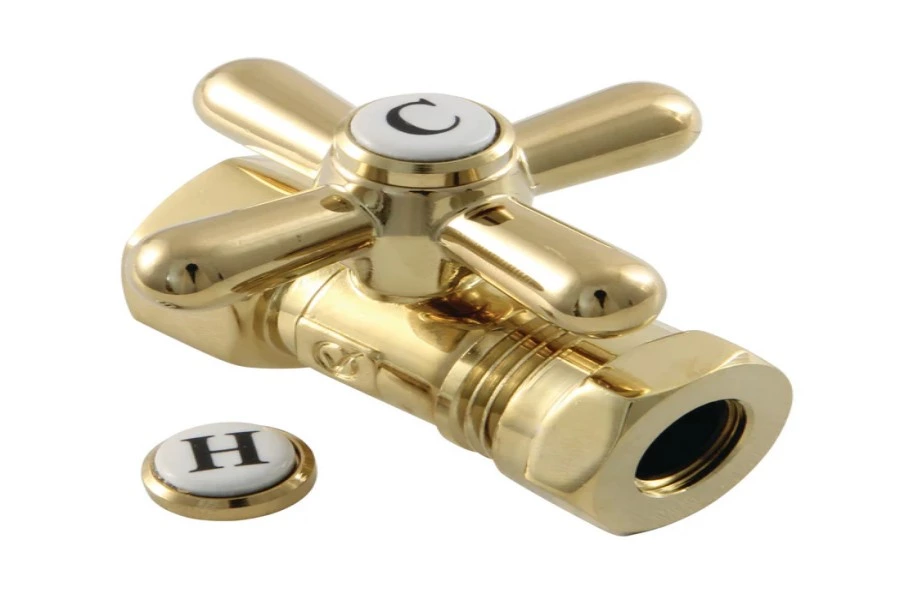
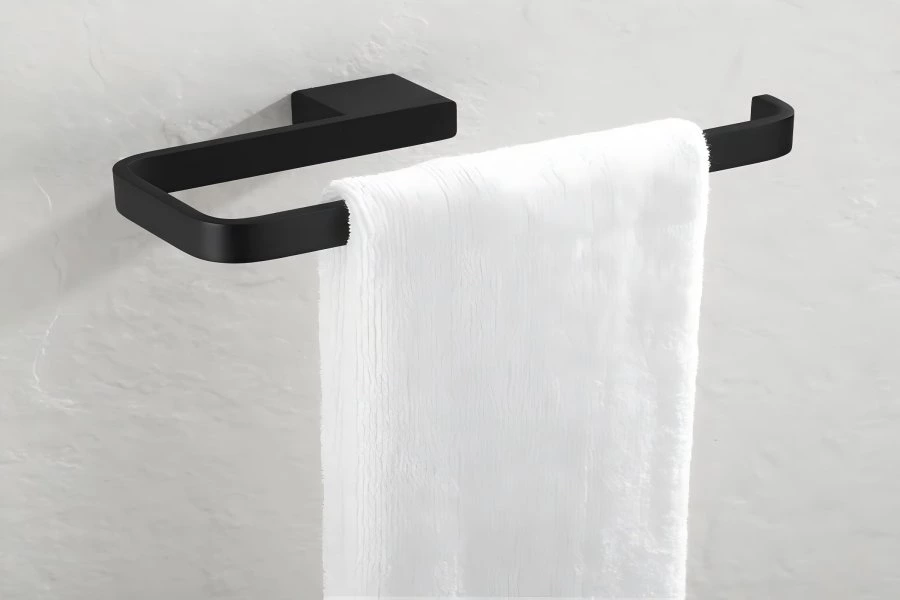
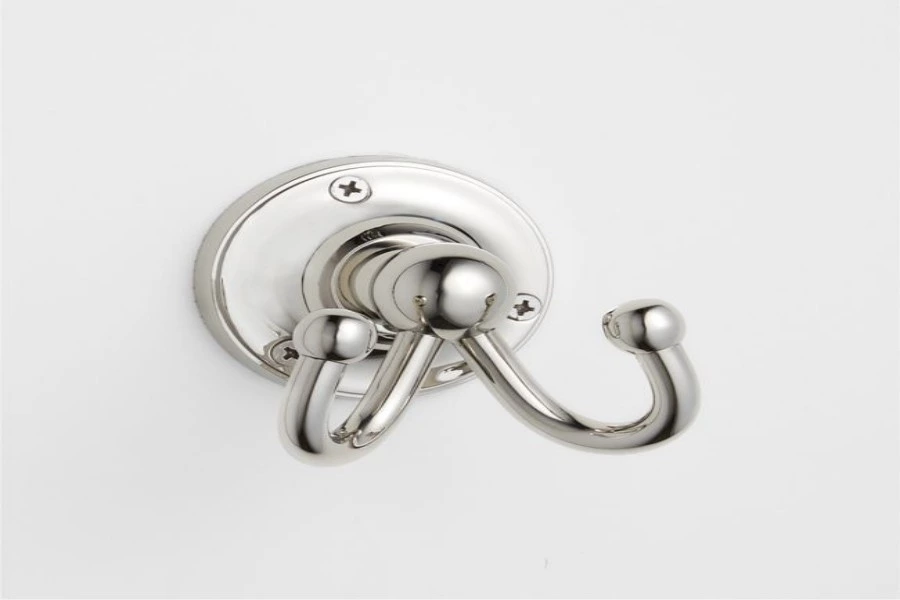
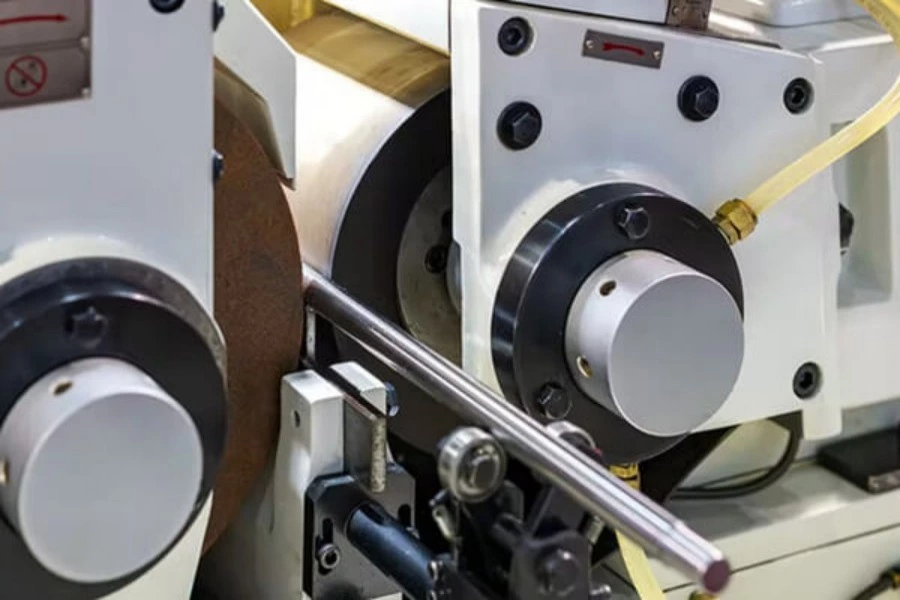
Brinda un brillo superficial uniforme en grandes lotes de productos enchapados o cepillados. El pulido robótico garantiza un nivel de brillo constante, bordes redondeados y un acabado seguro al tacto para artículos decorativos.
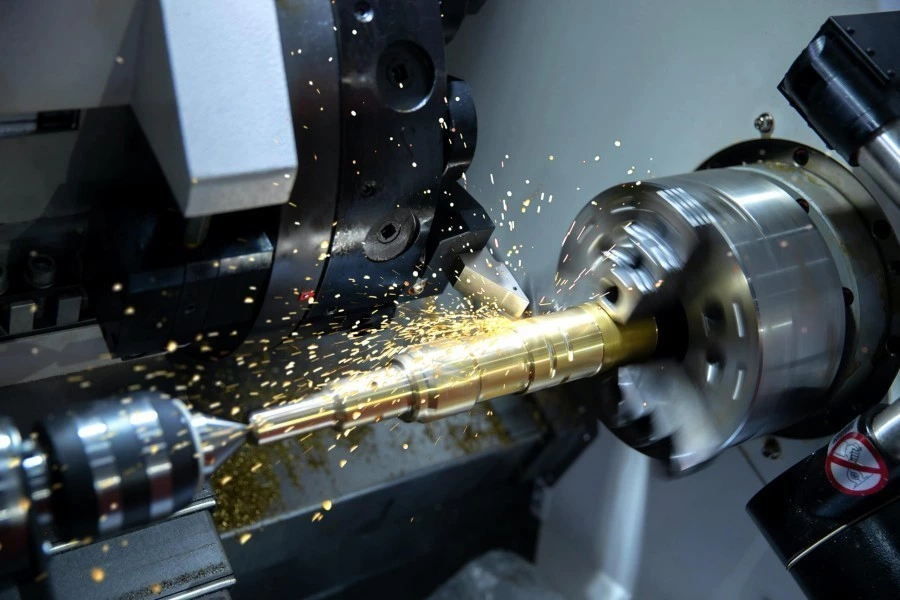
Se utiliza para eliminar costuras de soldadura y aplanar superficies de montaje. El rectificado robótico garantiza la uniformidad estructural de rieles, barras y manijas antes del acabado.
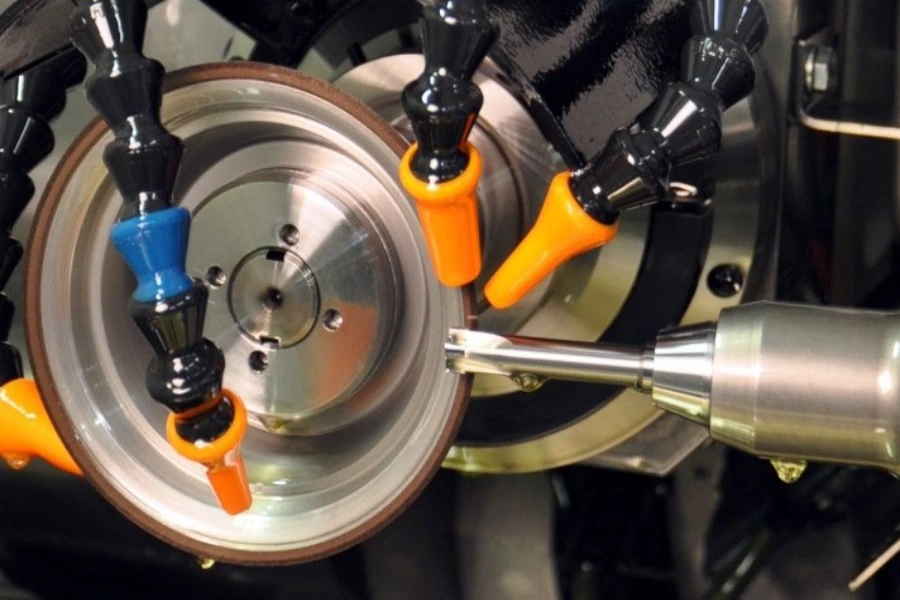
Elimina rebabas, bordes afilados e irregularidades de fundición de piezas pequeñas de hardware. Esencial para la seguridad del usuario y para cumplir con los requisitos de adhesión de revestimiento/chapado.
Los procesos manuales de acabado de superficies requieren mucha mano de obra, mucho tiempo y son propensos a inconsistencias. La automatización aborda estos desafíos proporcionando:
Ya sea para toalleros cromados o perillas satinadas, la consistencia es clave para la identidad de la marca y la calidad del producto. Los sistemas robóticos ofrecen acabados uniformes sin fatiga del operador, lo que garantiza que cada pieza cumpla con los estándares estéticos y táctiles.
Particularmente valioso para:
Los sistemas robóticos de pulido y esmerilado pueden lograr superficies más lisas, eliminando defectos microscópicos que atraen la corrosión o el deslustre. Esto mejora no solo el atractivo visual sino también la vida útil, algo esencial para entornos de baño donde la humedad y la exposición a productos químicos son constantes.
Ideal para:
Una celda robótica puede reemplazar varias estaciones manuales, funcionando continuamente con tiempos de ciclo predecibles. Los accesorios de varias piezas y los cambiadores de herramientas permiten un procesamiento rápido de diferentes tipos de componentes sin sacrificar la velocidad.
Más adecuado para:
Con control de fuerza adaptativo y precisión de trayectoria, los sistemas robóticos reducen el riesgo de pulido excesivo, ranurado o acabado insuficiente. La inspección automatizada durante el proceso garantiza la detección temprana de defectos y menos rechazos.
Ventajas clave para:
El pulido y esmerilado manual requieren mucha mano de obra, son ruidosos y peligrosos. La automatización robótica elimina a los operadores de entornos hostiles, reduce el riesgo de lesiones y ayuda a los fabricantes a optimizar la plantilla manteniendo el control de calidad.
Perfecto para:
Los accesorios de baño modernos a menudo incluyen accesorios de múltiples ángulos, ranuras empotradas y contornos decorativos que exigen un acabado controlado y repetible. Los sistemas robóticos equipados con movimiento multieje y flexibilidad de herramientas pueden seguir con precisión geometrías intrincadas, brindando una estética impecable sin comprometer la integridad estructural.
Aplicable a:
• Cuerpos de grifos de diseño y manijas esculpidas
• Conjuntos de toalleros de texturas múltiples
• Juegos de baño personalizados con contornos o incrustaciones exclusivos
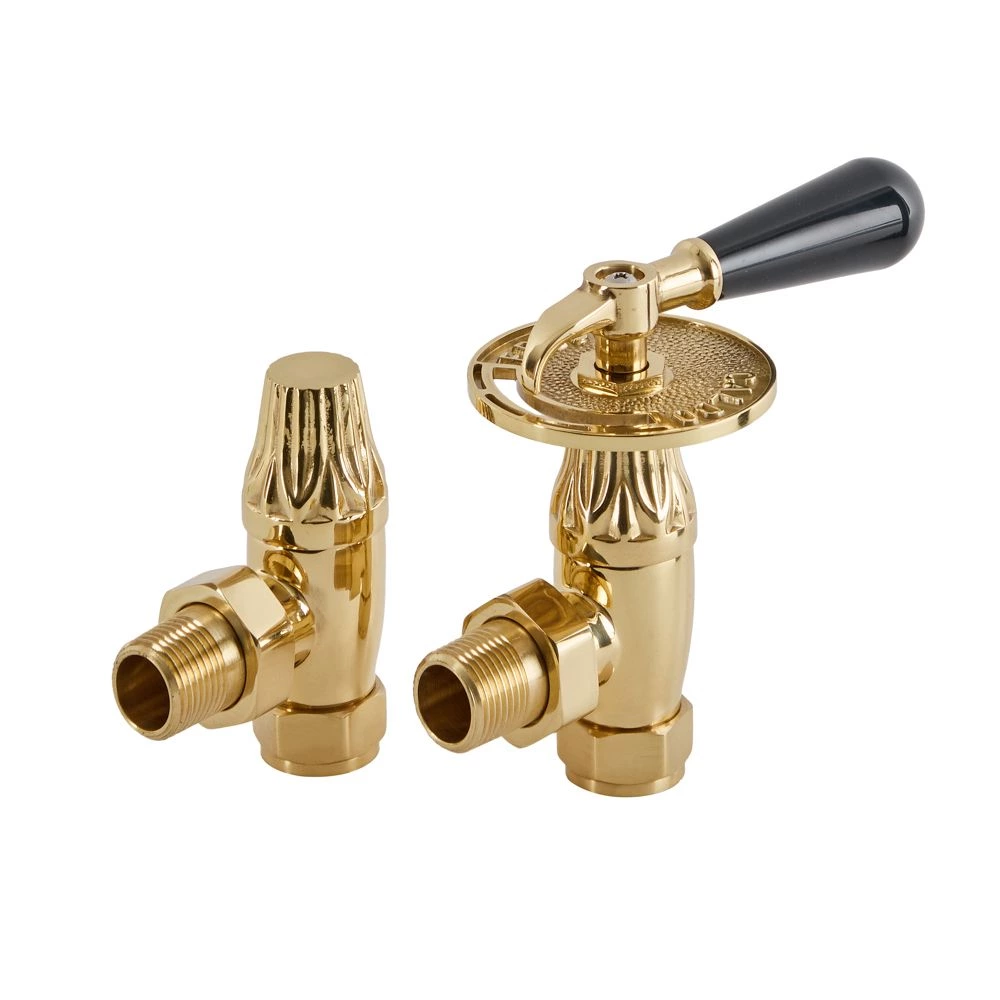
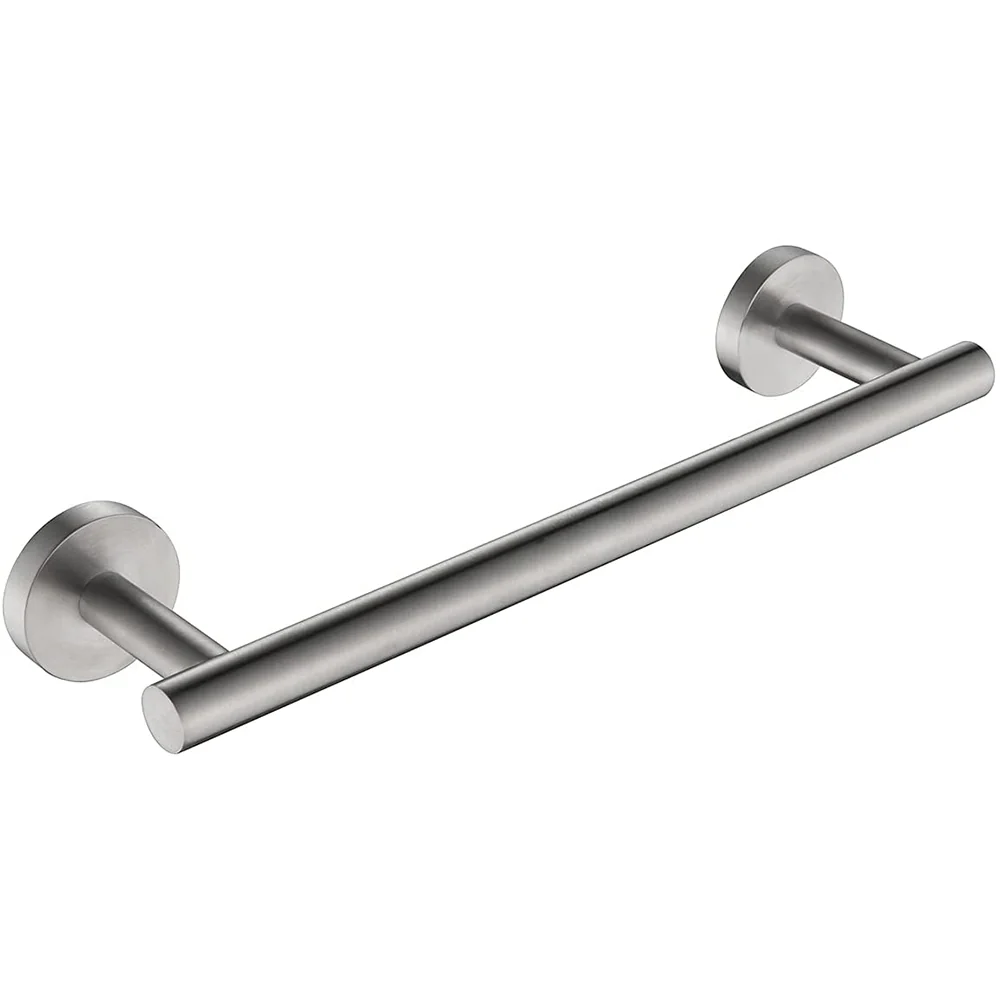
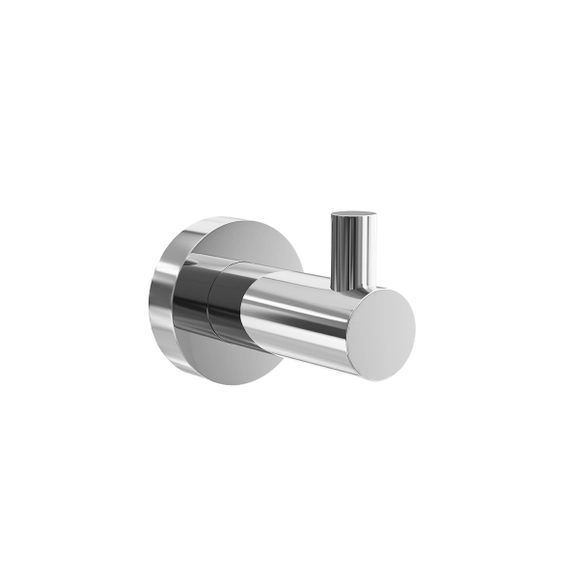
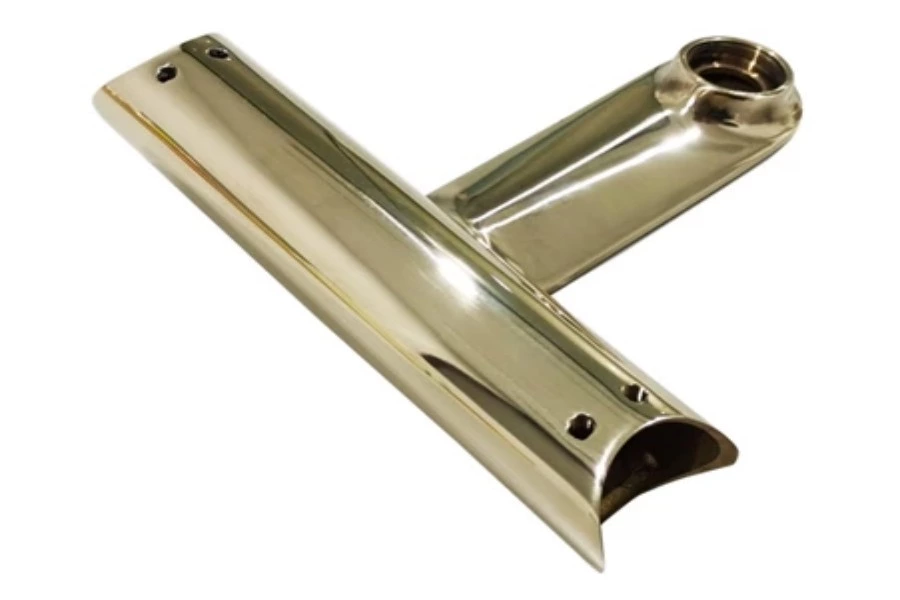
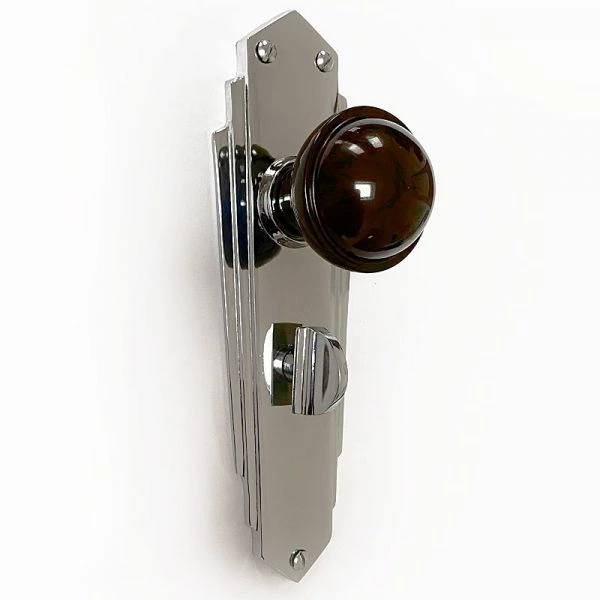
Respaldado por décadas de experiencia y asociaciones con marcas líderes a nivel mundial.
 Inglés