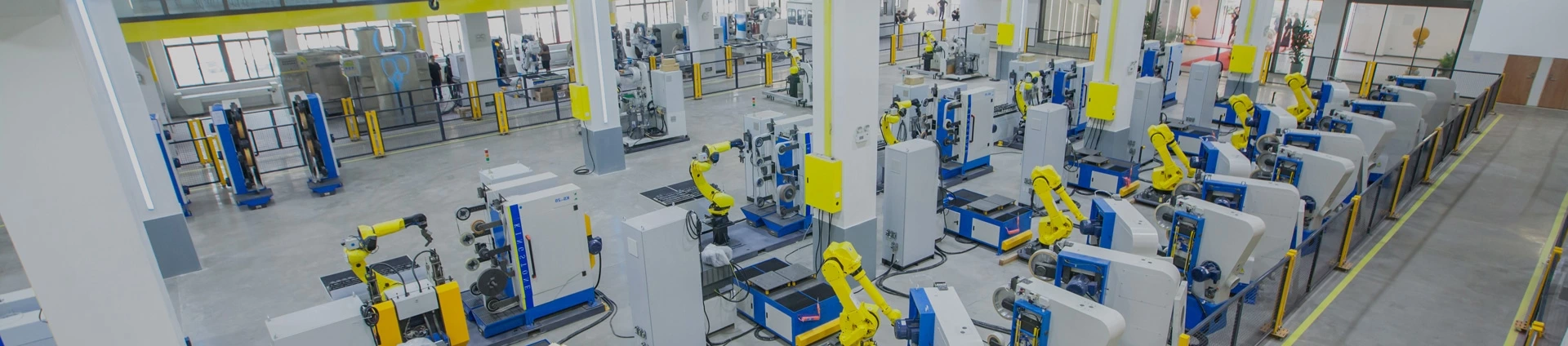
Una característica importante de los productos electrónicos 3C es su apariencia sumamente exquisita. Además, los accesorios requieren un procesamiento de precisión y un mecanizado de alta velocidad.
El sistema de equipo de pulido y pulido totalmente automático con robot Kingstone realiza la automatización del pulido y pulido de piezas de trabajo. Puede adaptarse a varios materiales nuevos, mejora la tasa de rendimiento, acorta el tiempo de procesamiento y tiene las características de un trabajo preciso, eficiente y sostenible.


Kingstone Robotics ofrece soluciones automatizadas de esmerilado, pulido y desbarbado diseñadas para la industria de equipos deportivos. Desde palos de golf hasta equipos de fitness, nuestros sistemas garantizan acabados precisos, exactitud dimensional y mayor durabilidad. Diseñados para reducir los costos de mano de obra, ayudan a los fabricantes a lograr una calidad constante y un atractivo visual a escala.
En el mundo de la electrónica de consumo, la calidad del acabado es un imperativo tanto funcional como de marketing. El pulido mejora la sensación y el aspecto del dispositivo, el esmerilado garantiza el ajuste del ensamblaje y la precisión del perfil, y el desbarbado elimina los riesgos estructurales y de seguridad de las microrebabas o las rebabas de fundición.
La automatización de estos procesos aporta coherencia, escala y control ultrafino a una industria definida por factores de forma delgados, materiales de primera calidad y una alta rotación de diseños.
El pulido en electrónica 3C se utiliza para eliminar microarañazos, capas de óxido e inconsistencias de textura en superficies como aluminio, acero inoxidable o plásticos revestidos. Mejora el brillo de la superficie, aumenta la resistencia a la corrosión y prepara las piezas para acabados posteriores, como anodizado o marcado con láser.
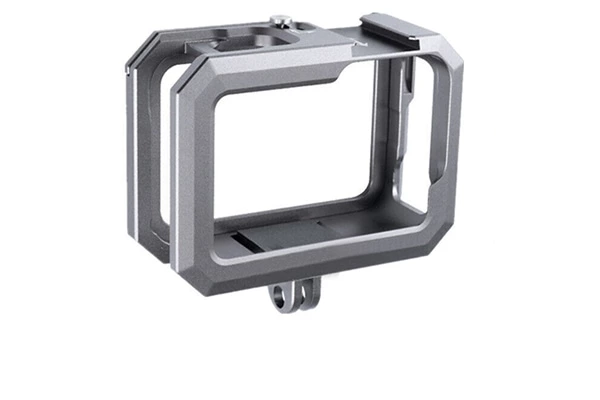
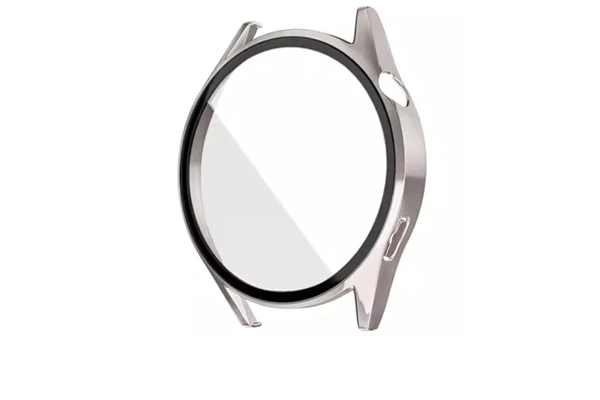
Las aplicaciones comunes incluyen carcasas de teléfonos inteligentes, paneles de portátiles, relojes inteligentes y marcos de cámaras, donde un exterior impecable es esencial para la identidad de marca y la experiencia del consumidor.
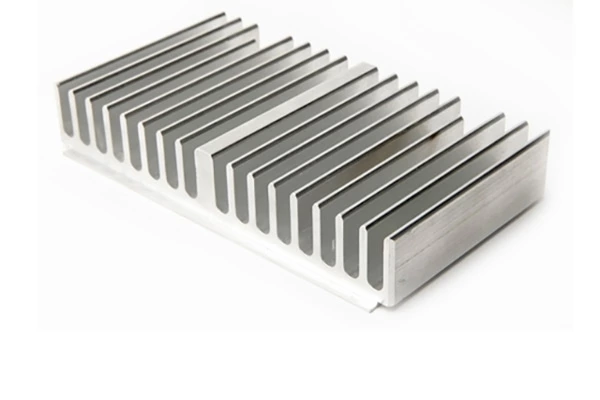
El pulido elimina material a granel para dar forma a la geometría final de una pieza. En aplicaciones 3C, esto es esencial para la planitud (p. ej., bases de disipadores de calor), la precisión del perfil (p. ej., biseles, puertos) o la forma estética de los bordes (p. ej., carcasas unibody).
Es especialmente importante para piezas que deben entrelazarse con otros componentes o disipar el calor de manera eficiente, como procesadores, bandejas de baterías o paneles de contacto.
El desbarbado elimina fragmentos de metal afilados o rebabas de extrusión que quedan del mecanizado, fundición a presión o punzonado. Estas rebabas pueden afectar las tolerancias de ensamblaje, dañar piezas adyacentes o interferir con la gestión térmica. El desbarbado automatizado garantiza que estos riesgos se mitiguen de forma consistente y sin cuellos de botella en el acabado manual.
En la producción 3C, es esencial para elementos como soportes internos, carcasas de puertos, sujetadores y piezas de chasis modulares.
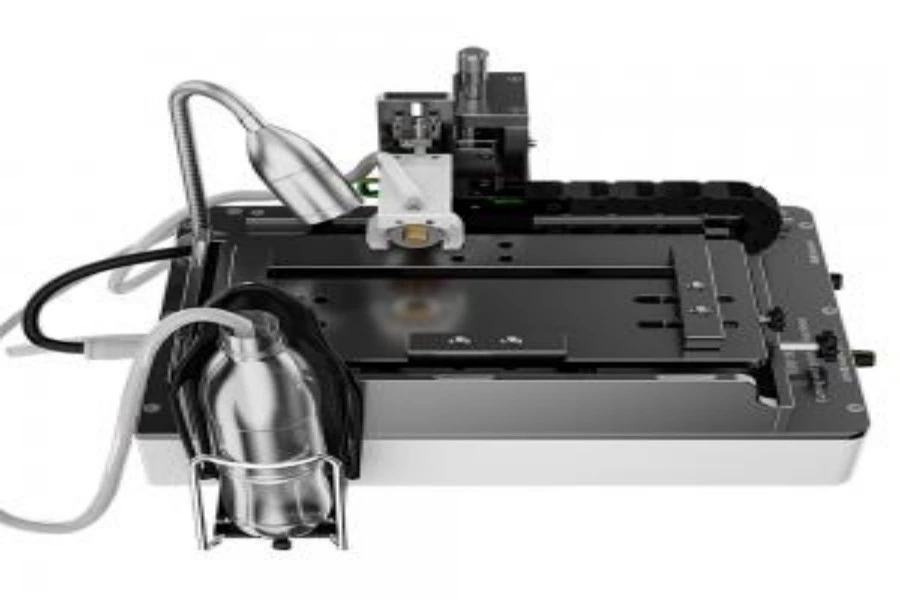
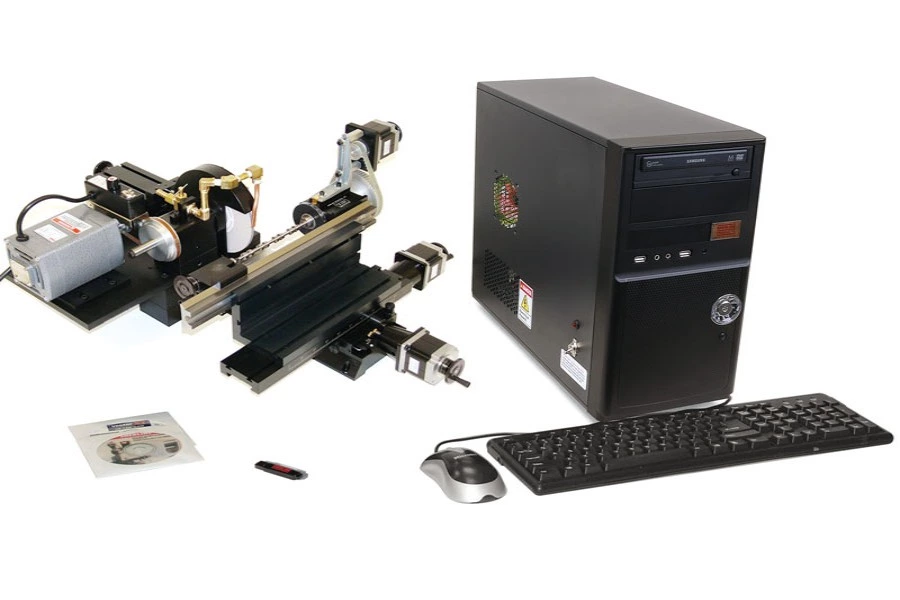
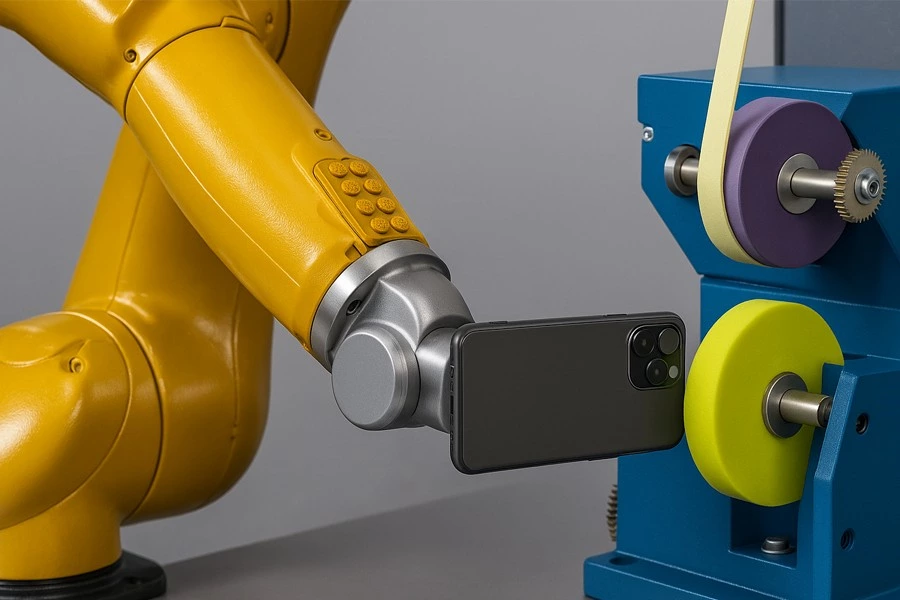

Produce brillo y textura uniformes para carcasas de primera calidad y componentes visibles. Minimiza las variaciones, los rayones o los brillos inconsistentes inducidos por el hombre.

Proporciona un control preciso de los bordes y precisión dimensional para piezas sensibles al calor o cuya forma es crítica, como disipadores de calor, bases de portátiles y marcos de cámaras.

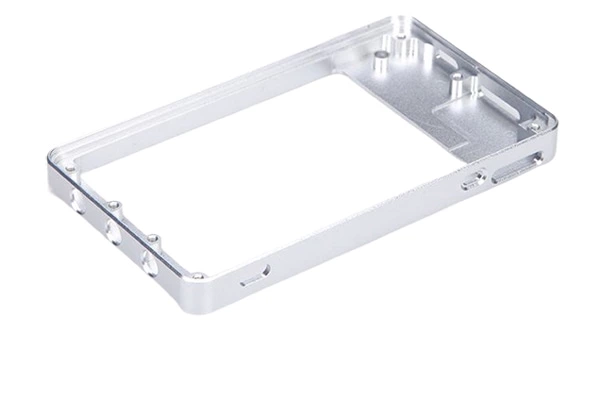
Elimina microflash o rebabas de extrusión en ranuras o marcos electrónicos compactos, lo que permite un ensamblaje limpio y una durabilidad mecánica a largo plazo.
Los procesos manuales de acabado de superficies requieren mucha mano de obra, mucho tiempo y son propensos a inconsistencias. La automatización aborda estos desafíos proporcionando:
Marcos de cámaras DSLR, carcasas de cámaras de acción, módulos de cámaras para teléfonos inteligentes
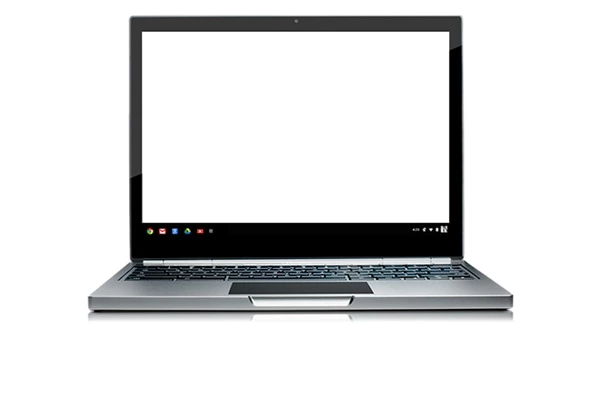
Chasis de portátil (unibody de aluminio o aleación de magnesio), carcasas de base de acoplamiento

Produce un acabado estético de primera calidad en cajas de plástico, vidrio o metal
Fundas para smartphones, fundas traseras para tablets y carcasas para wearables
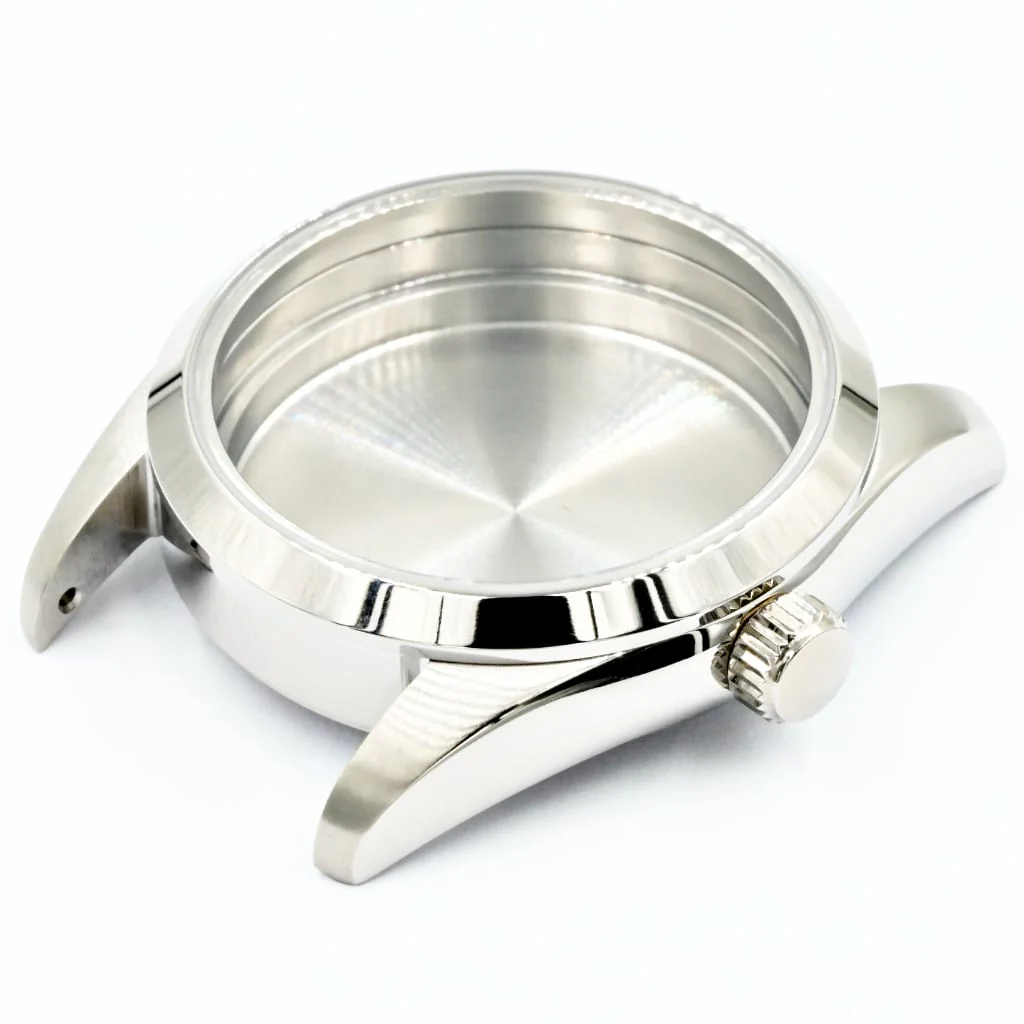
Estuches de relojes de pulsera de lujo, biseles de relojes inteligentes, cuerpos de cronógrafo mecánico

Disipadores de calor para portátiles y escritorios, radiadores de fuente de alimentación, placas de refrigeración LED
Respaldado por décadas de experiencia y asociaciones con marcas líderes a nivel mundial.

 Inglés